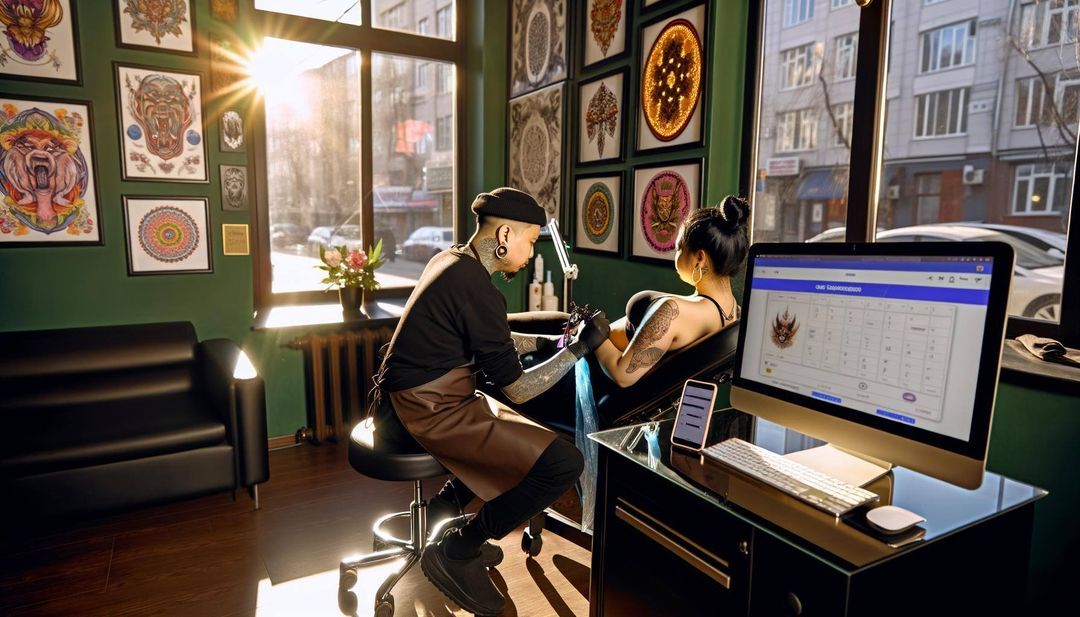
Tattooing is more than just a profession—it's a unique art form that allows individuals to express their identity in powerful and personal ways. For many tattoo artists, mastering this craft is the ultimate goal, and the passion for creating body art far outweighs the interest in running a business. However, when tattooing is also a livelihood, business management becomes a necessity, creating a perceived tension between the art and the business of tattooing.
The good news is that these two aspects don't have to be at odds. With the growing popularity of tattoos and increasing client expectations, embracing digital tools can help artists and studio owners deliver better client experiences and make business operations more manageable, all while allowing more time for what truly matters: the art.
The Changing Landscape of Tattooing
The tattoo industry is thriving. Tattoos are more popular and socially accepted than ever before, with a growing number of people across all demographics seeking meaningful body art. This boom is partly driven by the shift in consumer preferences towards personalized, authentic experiences, which tattoos uniquely provide. With the growing popularity comes a new set of expectations from clients who are looking for seamless and modern service experiences. They want more than just great tattoos—they expect professionalism, convenience, and excellent customer service.
The shift towards digital-first experiences is affecting industries far and wide, and the tattoo industry is no exception. Just as customers expect to book flights or order food online, they increasingly look for tattoo studios that offer digital appointment scheduling, easy online communication, and payment options. Tattoo studios that adapt to these changing expectations can gain a competitive edge and ensure long-term growth.
The Tension Between Art and Business
Tattoo artists often find themselves pulled between the pursuit of artistic expression and the demands of running a business. It's understandable — few artists enter the tattoo industry with a burning desire to manage appointments, track inventory, or handle client communications. These tasks, though necessary, can feel like distractions from the art itself.
However, embracing the business side of tattooing doesn't mean compromising on creativity. In fact, by leveraging digital tools, artists can minimize time spent on administrative tasks and free up more time for tattooing. With streamlined business operations, artists can actually focus more on their craft while still maintaining a thriving studio.
How Digital Automation Can Help
Digital automation tools can revolutionize the way tattoo studios operate, offering benefits that extend to both artists and their clients. Here's how these tools can help:
- Automated Appointment Scheduling: Allowing clients to book appointments online eliminates the back-and-forth communication, reducing administrative overhead. Automated reminders can also help reduce no-shows and cancellations, leading to more consistent revenue.
- Inventory Management: Keeping track of supplies is vital for any studio. Automation tools can track inventory levels in real time, notifying studio owners when items are running low and even suggesting optimal reorder quantities.
- Streamlined Client Communication: Automated messaging systems can handle common inquiries, send follow-up emails, and collect client feedback, improving overall client satisfaction.
- Insights into Business Trends: Digital tools can provide valuable data on studio performance, such as peak booking times, client preferences, and revenue trends, helping studio owners make informed decisions.
The Impact of Digital Tools — What to Measure
Automation is useful only when it improves an outcome your studio can verify. Capture a baseline before changing your workflow, then review the same measures after adoption:
- Booked revenue: Compare completed appointments, average ticket, deposits collected, cancellations, and no-shows.
- Profitability: Track software and payment costs alongside the staff time and manual work the system replaces.
- Capacity: Measure open appointment slots, artist utilization, and how long qualified clients wait to book.
- Administrative time: Log hours spent scheduling, sending reminders, collecting forms, reconciling payments, and following up.
- Client retention: Compare repeat-booking rate and rebooking time for the same period before and after the change.
These measures turn a broad automation promise into a studio-specific business case. Keep the tools that create a measurable improvement and revise workflows that do not.
Why Now Is the Time to Adapt
The tattoo industry is evolving, and with it, the expectations of clients. Today's consumers are tech-savvy and seek out businesses that provide a modern and convenient experience. Studios that adopt digital tools not only stay ahead of the curve but also deliver an exceptional level of service that keeps clients coming back.
Embracing technology doesn't mean abandoning the tradition of tattooing; it's about evolving the way studios operate to support the art's growth. By adopting automation tools, artists can maintain the purity of their craft while ensuring the business side runs smoothly.
Conclusion
The future of tattooing is bright, with digital tools paving the way for artists to focus on creating meaningful art while still running a thriving business. As the industry continues to grow, tattoo artists and studio owners who embrace digital tools will be the ones shaping its direction. Now is the time to take advantage of technology to deliver the best client experiences and grow your business, all while staying true to the artistry of tattooing.
Explore TattooPro's team-management tools for artist schedules, performance, commissions, and shop operations.